
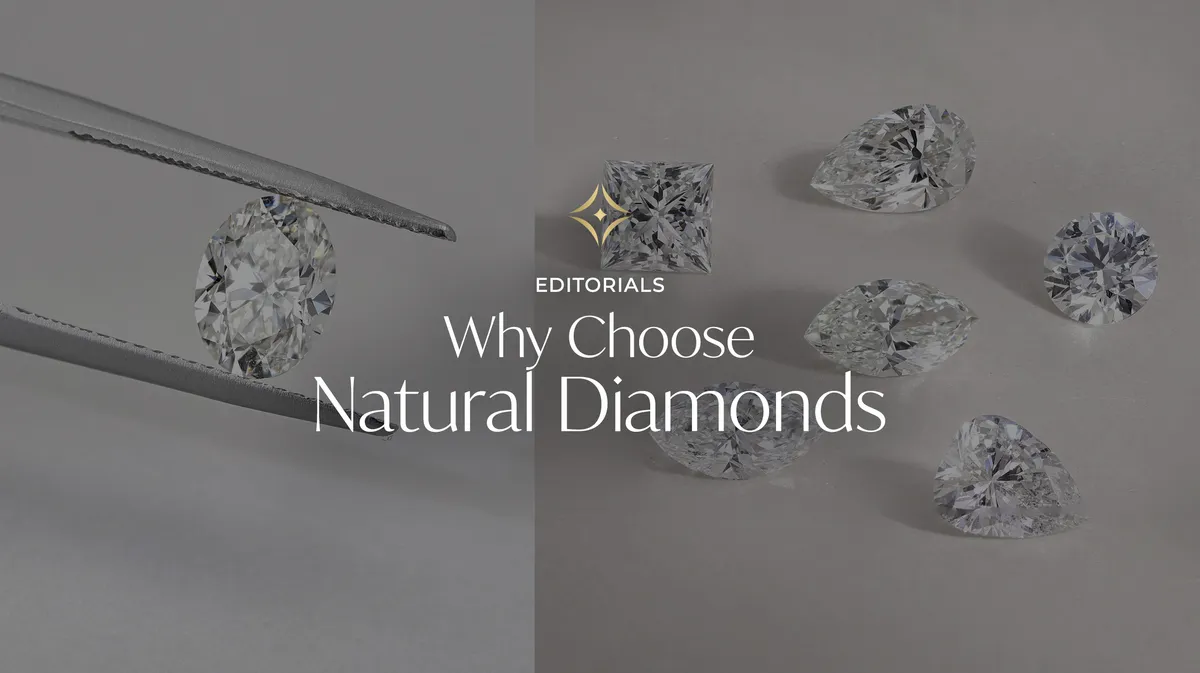
Why Choose Natural Diamonds?
Natural diamonds continue to hold a special place in fine jewellery because they unite beauty, rarity, science, and sentiment in one remarkable stone. For many buyers, choosing a natural diamond is not only about appearance. It is about selecting a gem formed by the Earth itself over immense spans of time, then shaped into a piece that can mark a personal milestone with elegance and meaning. In many ways, that deeper story is part of what makes natural diamonds truly valuable.
Natural Diamonds Have an Extraordinary Origin
One of the most compelling reasons to choose a natural diamond is its origin. GIA explains that diamond forms under high temperature and pressure conditions found about 100 miles beneath the Earth’s surface. That journey alone sets it apart from most other luxury materials and gives it a story rooted in the natural world.
Natural diamonds are also ancient. According to GIA, the oldest dated examples are about 3.5 to 3.3 billion years old, and many diamonds predate the Cambrian Explosion at 541 million years ago. For clients who value rarity with real geological significance, this age adds a powerful layer of meaning.
Natural Diamonds Offer Lasting Beauty
Diamonds are admired for their brilliance, but their durability is equally important. GIA notes that diamond ranks 10 on the Mohs scale, making it the hardest mineral on that scale and highly resistant to scratching. This is one reason diamonds are so well suited to everyday pieces such as engagement rings and signature jewellery.
That durability becomes even more meaningful when paired with rarity. Their scarcity is part of what gives them such lasting appeal, as we explore further in The Exceptional Rarity of Natural Diamonds.
Natural Diamonds Are Defined by Rarity and Origin
Natural and laboratory grown diamonds share very similar chemical, optical, and physical properties. GIA says laboratory grown diamonds have the same crystal structure as natural diamonds and may be indistinguishable by eye. The key difference is origin. Natural diamonds formed in the Earth, while laboratory grown diamonds are created through human controlled processes.
For many buyers, that distinction matters. A natural diamond carries a geological story that cannot be manufactured. It represents not only beauty, but also rarity shaped by time and nature. In luxury jewellery, origin is often part of the emotional value of the piece itself.
For a closer comparison, What’s The Difference Between Natural and Lab-Grown Diamonds? offers helpful context.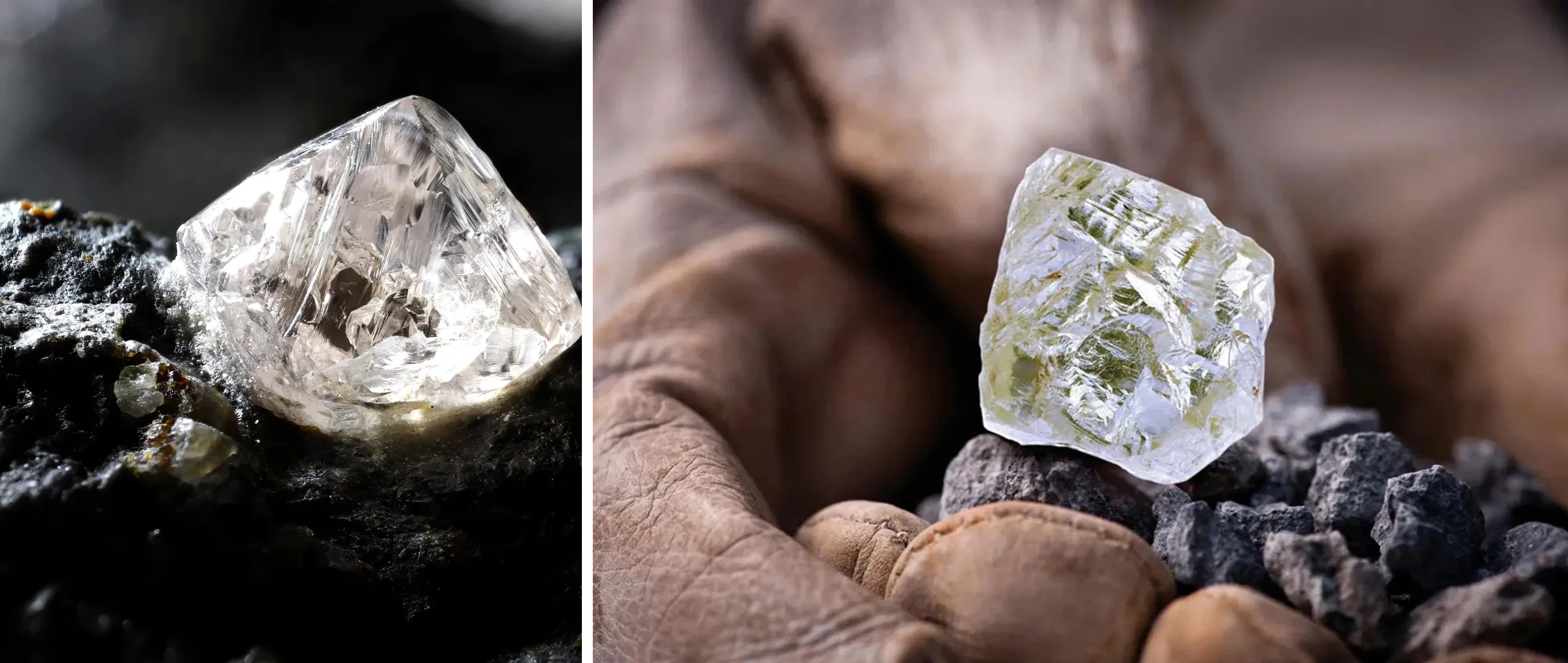
The Kimberley Process and Confidence in Natural Diamonds
Another important reason many buyers feel confident choosing a natural diamond is the Kimberley Process. The Kimberley Process is an international certification scheme that regulates trade in rough diamonds and aims to prevent the flow of conflict diamonds while helping protect legitimate trade in rough diamonds. It sets minimum requirements for participating countries and supports a more transparent path for rough diamonds as they move through the global supply chain.
Readers interested in this side of the industry can explore more in Ethical Natural Diamond Sourcing: The Role of the Kimberley Process.
While the Kimberley Process does not certify individual jewellers, it remains an important part of the broader framework that supports responsible sourcing in the natural diamond industry. For many clients, that added layer of oversight brings greater reassurance when choosing a diamond to celebrate a meaningful moment with elegance and trust.
How Responsible Mining Can Create Positive Impact
It is also worth recognizing that some diamond-producing regions have built stronger models to help offset the environmental impact of mining. In Canada’s Northwest Territories, diamond projects undergo environmental review, operate under socio-economic agreements, set aside substantial reclamation funds for closure, and have been documented pausing or adjusting activity to avoid disturbing wildlife. At mines such as Ekati, parts of the recovery process are carried out on-site using water, and closure planning is designed to restore the land once operations end.
Botswana is another important example. The country’s diamond sector has been linked to broader investment in education, healthcare, jobs, biodiversity initiatives, water recycling, and community development, alongside efforts to explore cleaner energy solutions around mine operations. Mining always leaves an environmental footprint, but examples like Canada and Botswana show how stronger regulation, reclamation planning, and community reinvestment can help create more positive long-term outcomes.
Natural Diamonds Can Be Chosen with Greater Confidence Through the 4Cs
Education is an important part of choosing any diamond well. GIA states that the 4Cs, cut, color, clarity, and carat weight, are the universal method for assessing diamond quality. These standards give buyers a common language for comparing diamonds and understanding what they are purchasing.
This is especially valuable when selecting a natural diamond for a meaningful purchase. Rather than relying on sparkle alone, a client can evaluate the stone through internationally recognized grading criteria and documentation. GIA also offers Report Check, which allows grading results to be verified by report number.
For anyone beginning that process, explore The 4Cs of Natural Diamonds: How to Choose the Best Quality Diamond.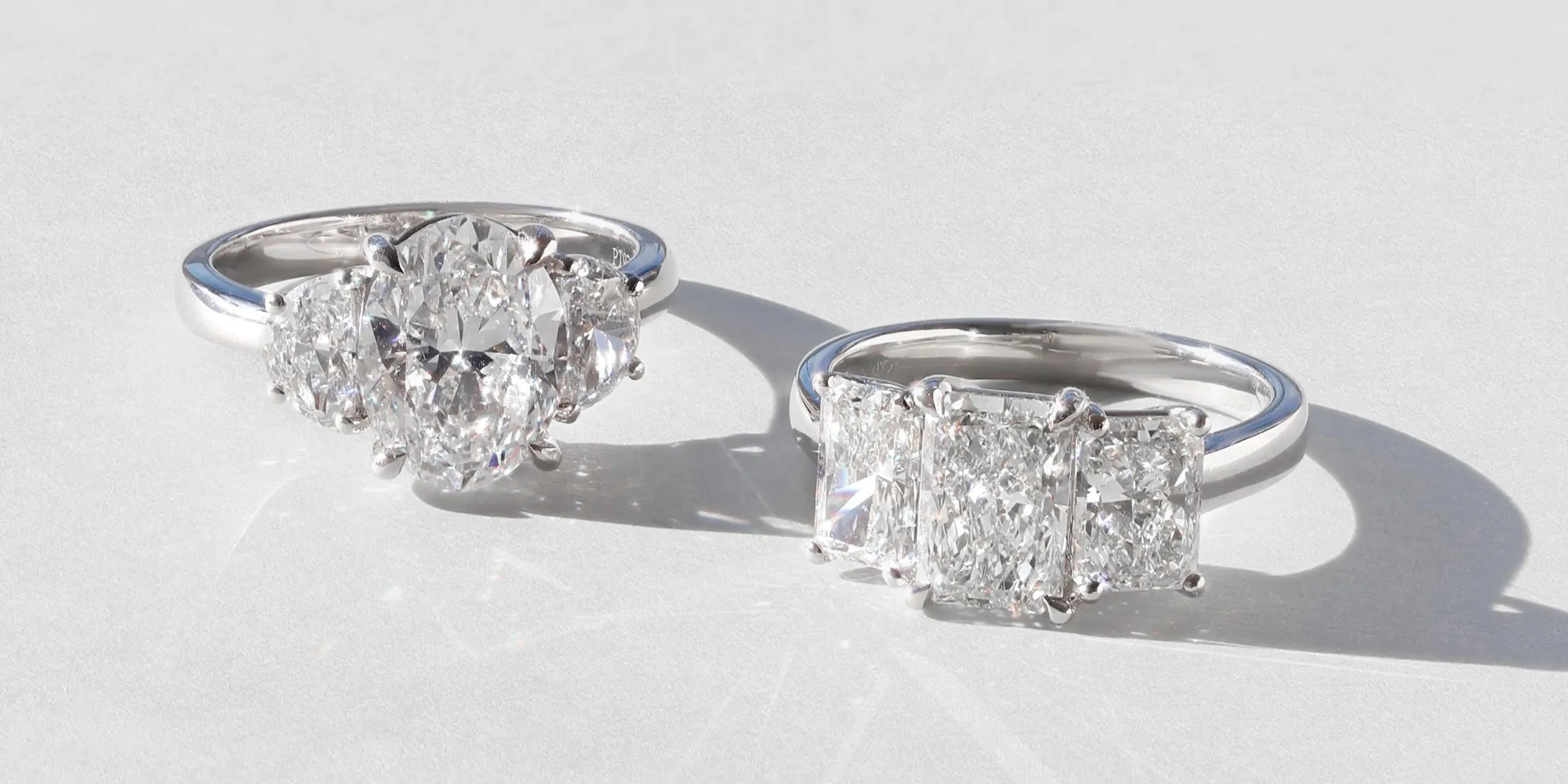
Natural Diamonds Carry Emotional and Heirloom Value
A natural diamond is often chosen to celebrate a defining moment, an engagement, an anniversary, a birthday, a personal achievement, or a family milestone. Its age, rarity, and durability give it a sense of permanence that suits these occasions beautifully. While its monetary value may vary by market conditions and individual characteristics, its emotional value often deepens over time as the piece becomes part of a family story. This connection between natural beauty and personal memory is one of the most enduring reasons people continue to choose natural diamonds. Even modern bridal style reflects that enduring appeal, as seen in 5 Engagement Ring Trends for 2026.
Why We Suggest Natural Diamonds
At La Mine d'Or, we believe a diamond should be more than beautiful. It should carry meaning, integrity, and a sense of permanence that reflects the moment it is chosen to celebrate. That is why we suggest natural diamonds.
Our house has chosen to focus on natural diamonds and gemstones, with stones hand-selected directly from diamond manufacturers and presented through a jewellery experience guided by GIA-certified, industry-trained advisors. With a heritage that began in 1979, this approach reflects 47 years of expertise in 2026 and a long-standing belief that fine jewellery should be rooted in both beauty and trust. At La Mine d'Or, every piece is chosen to celebrate life and love with authenticity, elegance, and confidence.
Why Natural Diamonds Remain a Meaningful Choice
Choosing a natural diamond means choosing a gem with a remarkable natural history, exceptional hardness, recognized grading standards, and enduring emotional significance. It is a decision that blends science with sentiment and refinement with authenticity. For those who want jewellery that celebrates life’s most meaningful moments with elegance and permanence, a natural diamond remains a timeless choice.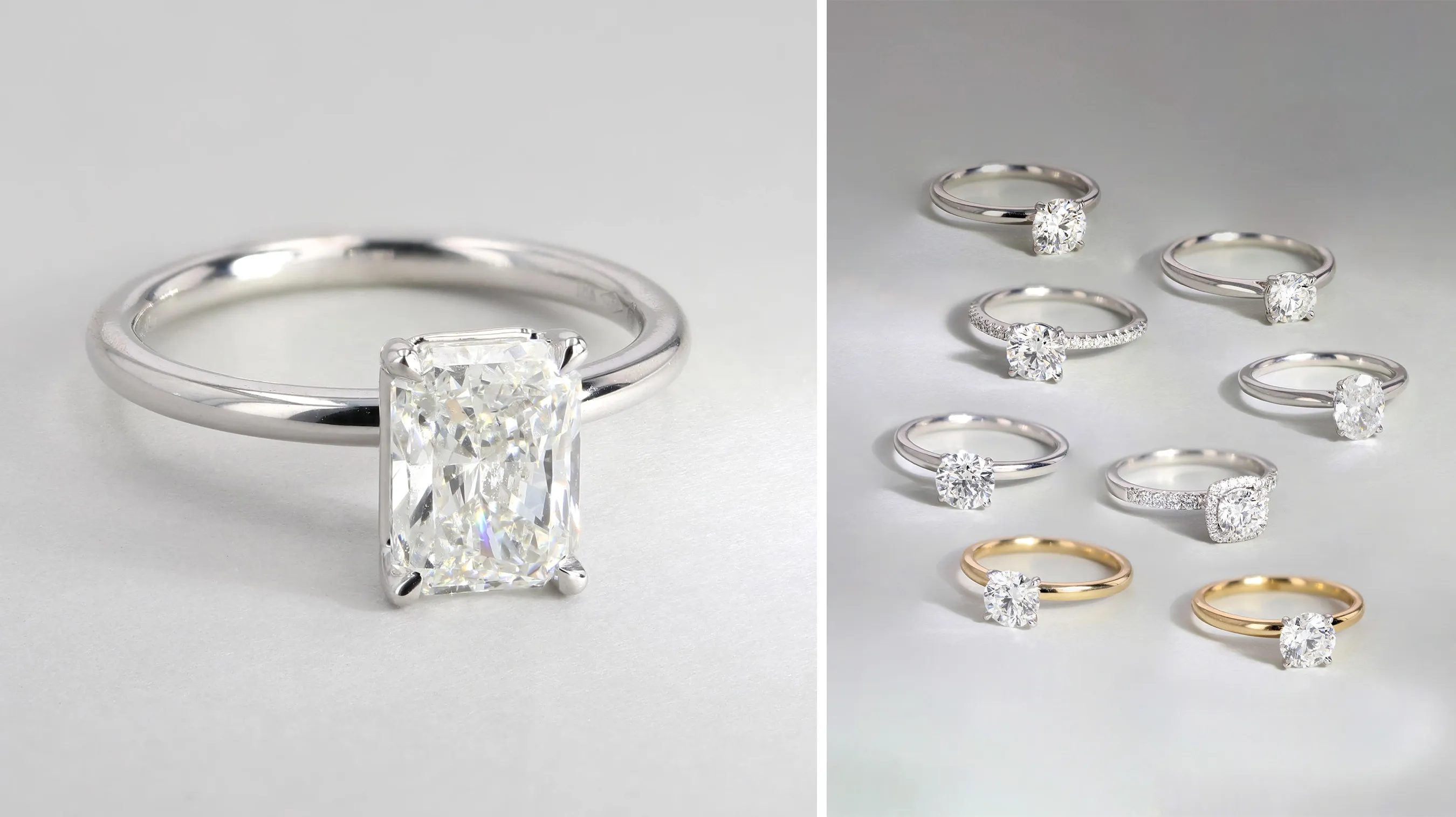
FAQ About Natural Diamonds
Are natural diamonds real diamonds?
Yes. Natural diamonds are real diamonds formed in the Earth under extreme heat and pressure. GIA also explains that laboratory grown diamonds are real diamonds as well, but they differ from natural diamonds in origin rather than basic composition. Discover 8 Facts About Natural Diamonds.
How old are natural diamonds?
Many natural diamonds are incredibly old. GIA reports that the oldest dated examples are about 3.5 to 3.3 billion years old, and many diamonds are older than the Cambrian Explosion.
Are natural diamonds more durable than other gemstones?
Diamonds rank 10 on the Mohs scale, which means they are extremely resistant to scratching. That makes them one of the most durable choices for jewellery, though they should still be worn and stored with care because hardness does not mean they cannot chip.
What is the difference between natural and lab grown diamonds?
According to GIA, natural and laboratory grown diamonds have essentially the same crystal structure and very similar chemical, optical, and physical properties. The main difference is that natural diamonds formed in the Earth, while laboratory grown diamonds are made in controlled environments.
How do I know if a natural diamond is high quality?
The best place to start is with the 4Cs: cut, color, clarity, and carat weight. GIA describes these as the universal standard for assessing diamond quality, and a grading report helps document those characteristics clearly.
Are natural diamonds a good choice for engagement rings?
They are a popular choice because they combine beauty, strong scratch resistance, and lasting symbolic value. Their durability and timeless appeal make them especially well suited to jewellery worn every day. Discover our La Mine d'Or diamond engagement rings.