
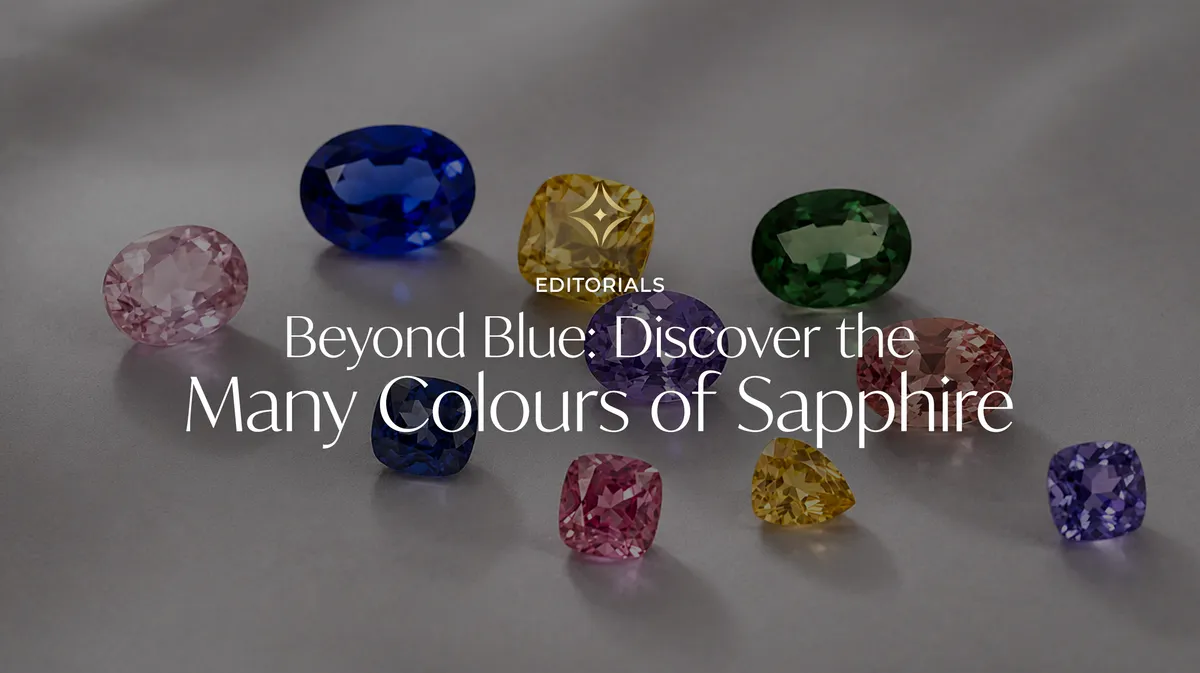
When most people picture a sapphire, they imagine a deep blue gemstone. Blue is certainly sapphire’s most recognised colour, but it represents only part of the story.
Sapphires occur naturally in many colours, including blue, pink, yellow, orange, green, purple, violet and colourless varieties. Gem-quality corundum that is red is classified as ruby rather than sapphire.
This remarkable range of colours makes sapphire one of the most diverse gemstones in fine jewellery. It is also the birthstone for September and a durable choice for rings and other jewellery designed to be worn regularly.
At La Mine d’Or, our appreciation for natural gemstones is rooted in the beauty and individuality that each stone brings to a piece of jewellery. Understanding the many colours of sapphire is an excellent place to begin when choosing a gemstone that feels distinctly your own.
What Is a Sapphire?
Sapphire is a gem variety of the mineral corundum, which is composed primarily of aluminum oxide.
Pure corundum is colourless. The colours seen in natural sapphires are associated with trace elements present within the crystal structure. For example, iron and titanium are associated with blue sapphire, while chromium can contribute to pink sapphire and, at sufficient colour characteristics, ruby.
The term fancy sapphire is commonly used in the jewellery industry for sapphires that are colours other than blue.
Explore the La Mine d’Or gemstone collection to discover sapphire alongside other natural gemstones.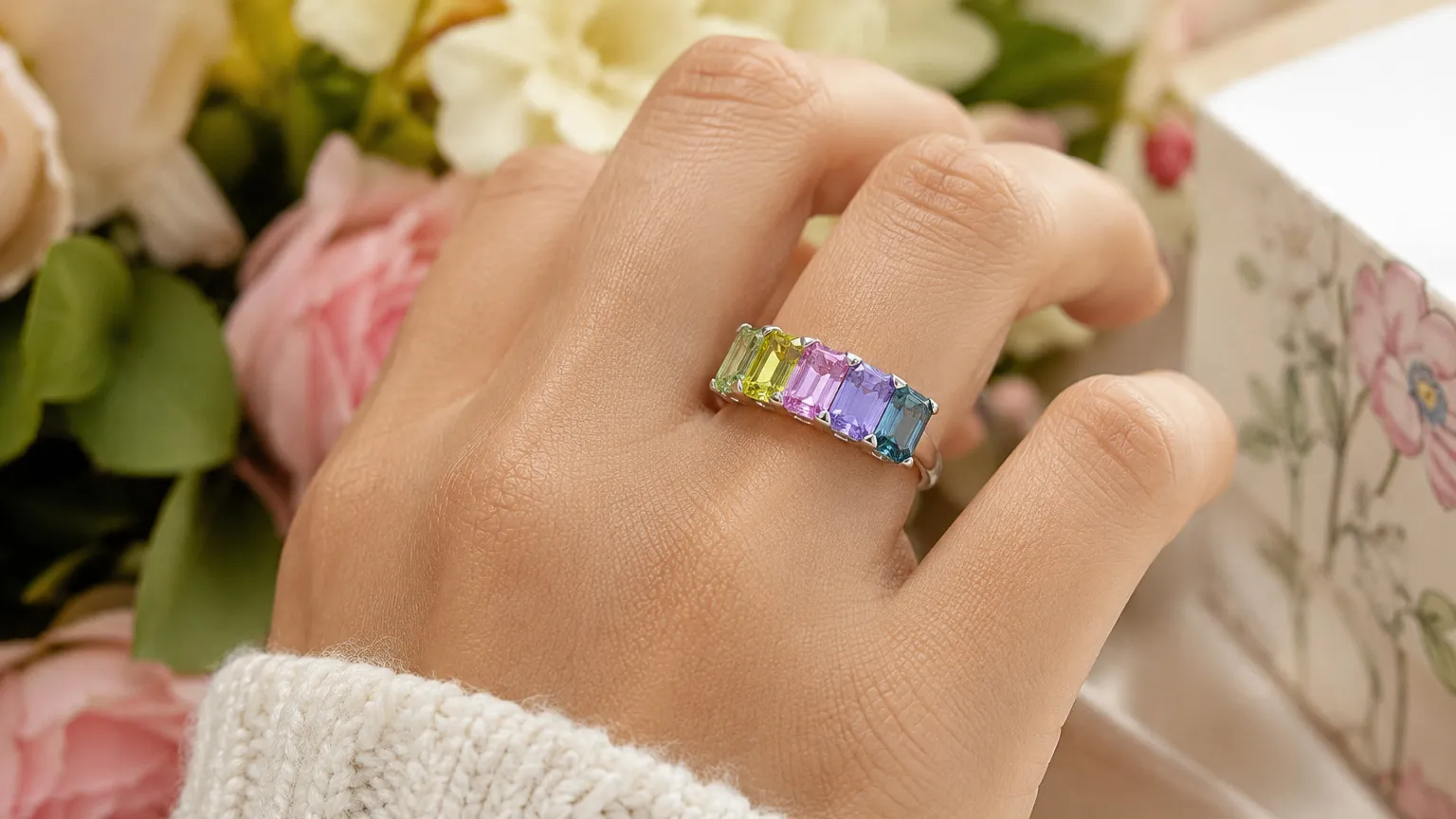
What Colours Can Sapphires Be?
Sapphires can occur in virtually every colour except red classified as ruby. Depending on their composition, sapphires may be blue, pink, yellow, orange, green, purple, violet, colourless, grey, brown or black.
Some sapphires can also display more than one colour within a single stone. Others exhibit colour change, meaning their apparent colour can vary under different types of lighting.
Blue Sapphire
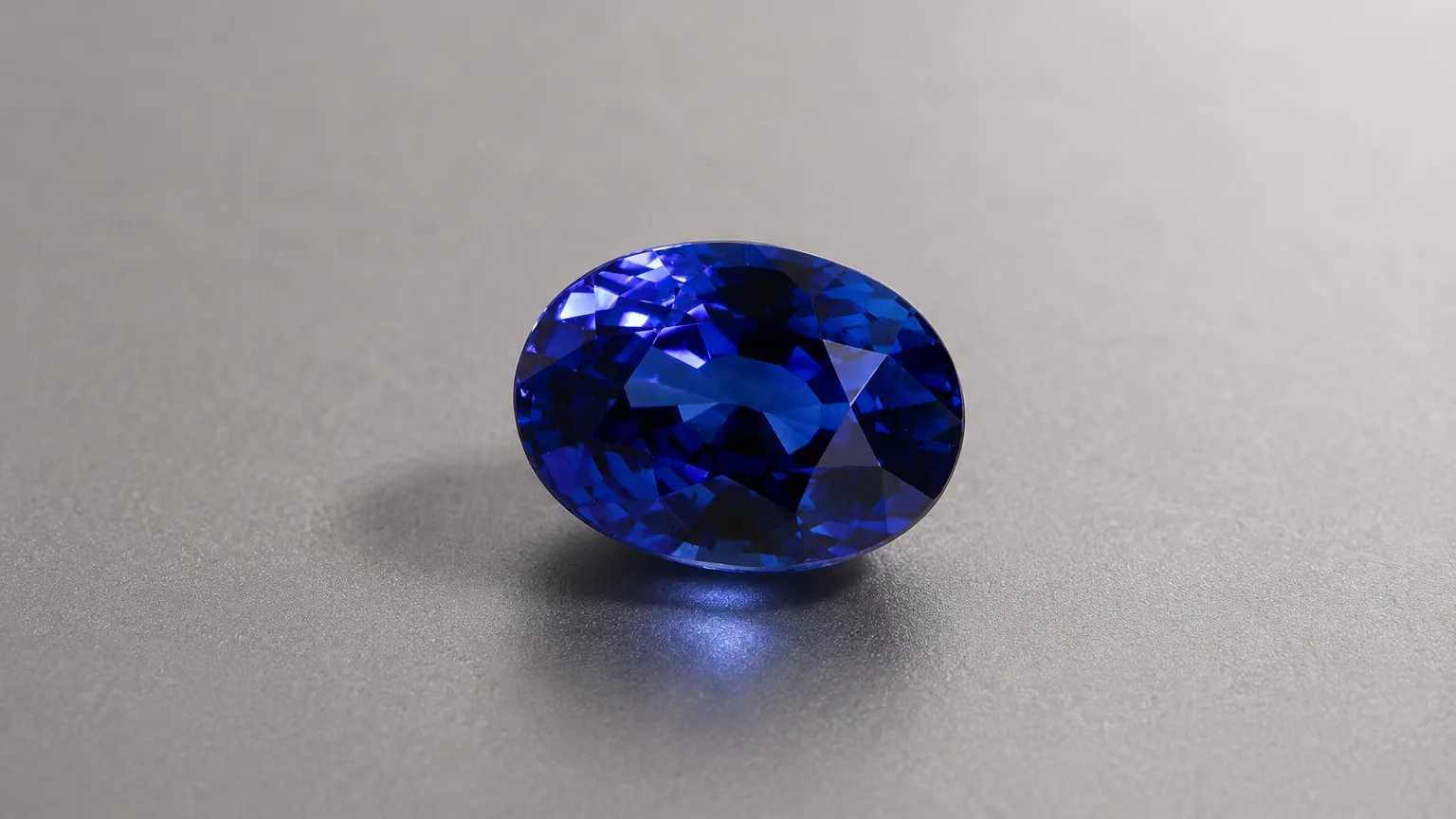
Blue sapphire is the best known variety of sapphire.
Its colour can range from greenish blue through blue to violetish blue, with differences in tone and saturation. Colour is one of the most important factors considered when assessing the appearance and value of a blue sapphire.
The presence of iron and titanium within corundum is associated with sapphire’s characteristic blue colour.
For those drawn to traditional fine jewellery, blue sapphire remains an enduring choice for rings, earrings, necklaces and other meaningful pieces.
Pink Sapphire
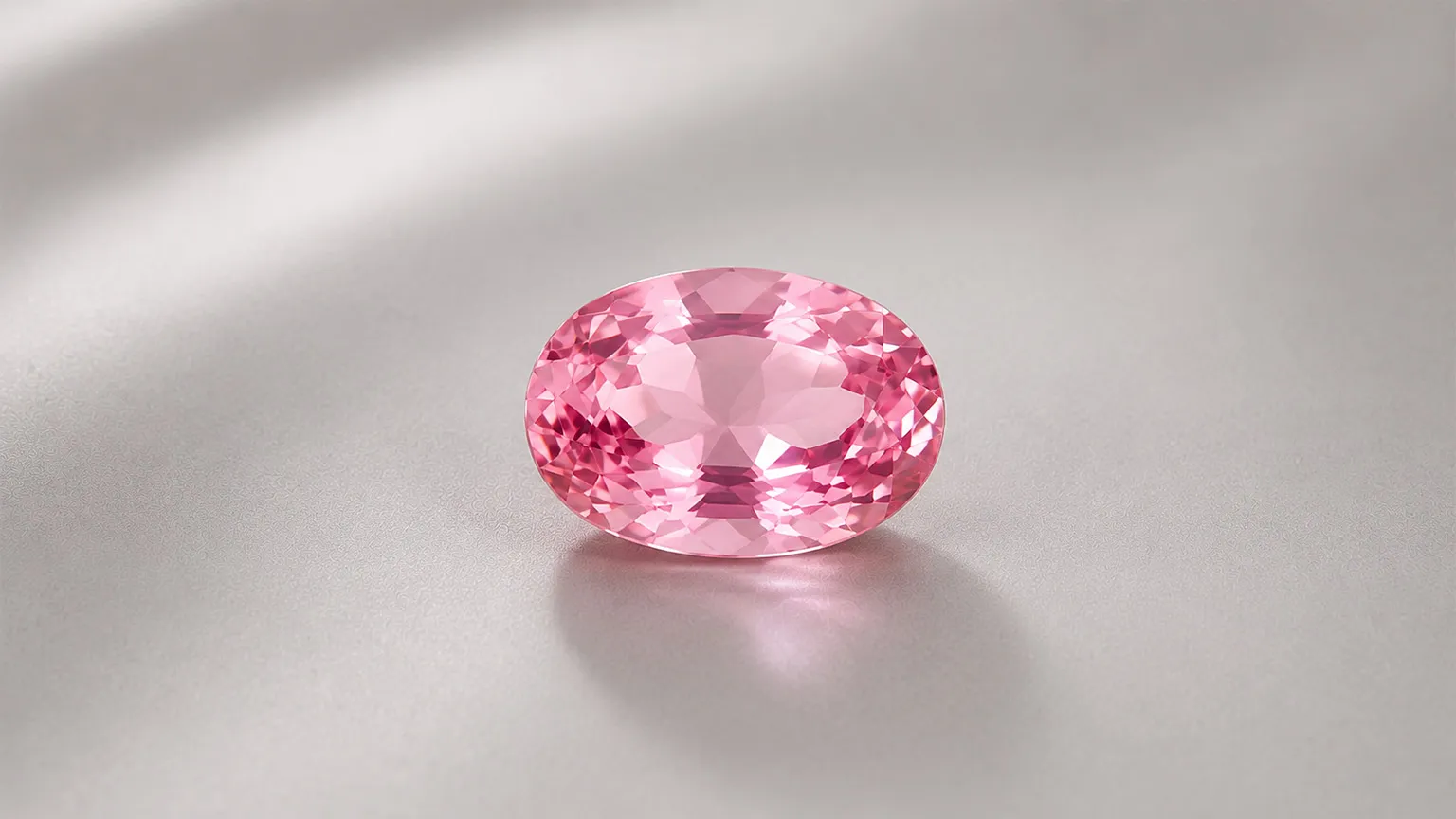
Pink sapphire is corundum that displays a pink colour but does not fall within the colour classification used for ruby.
Pink sapphires can range from lighter pinks to highly saturated colours. Chromium is one of the trace elements associated with pink colour in corundum.
Because ruby and pink sapphire are both varieties of corundum, the distinction between them is based primarily on colour classification rather than their belonging to different mineral species.
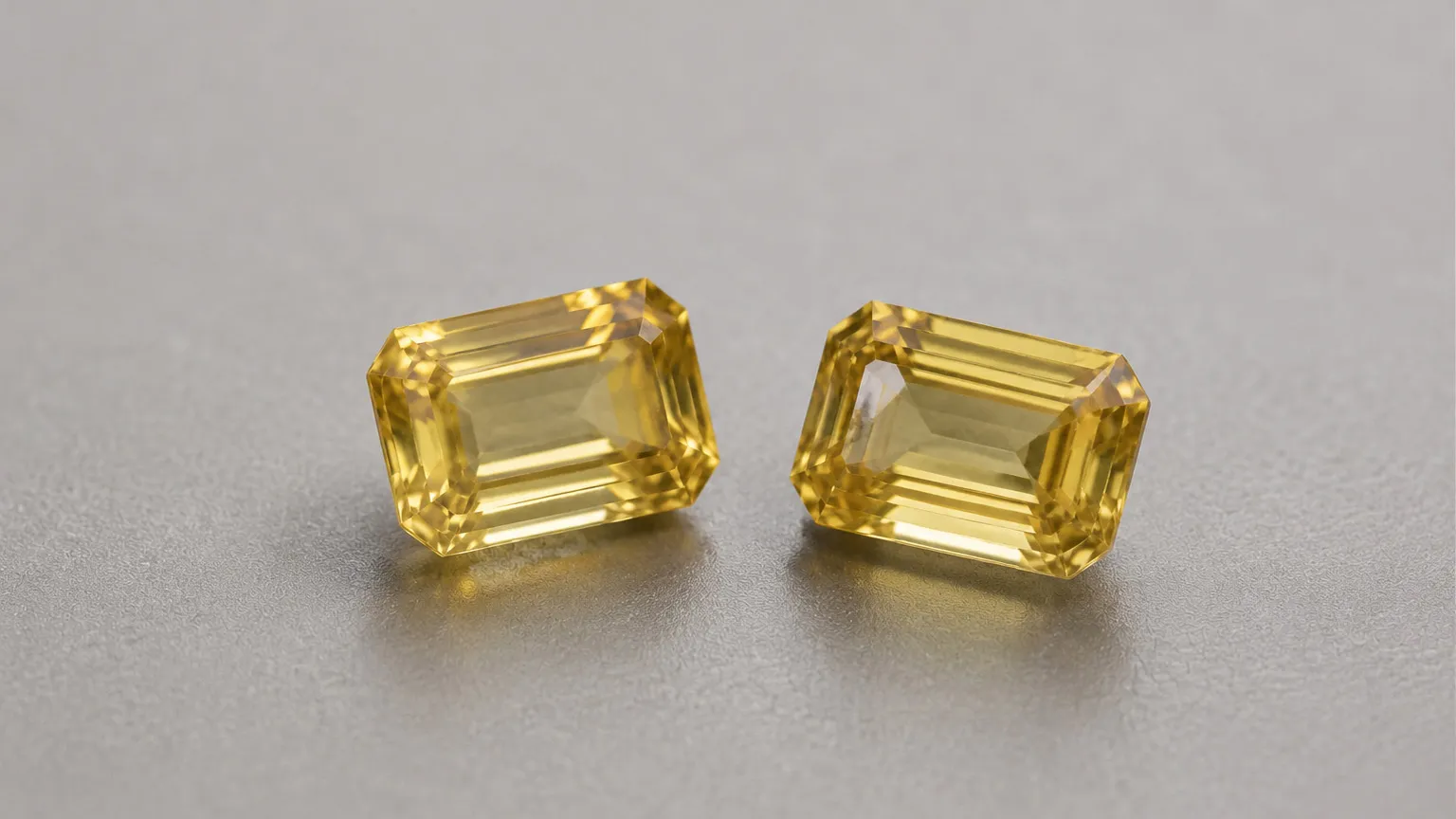
Yellow Sapphire
Yellow sapphires can range from lighter yellow to deeper yellow and orangey yellow tones.
Like other fancy sapphires, their appearance varies according to hue, tone and saturation. This means two natural yellow sapphires can have noticeably different appearances even when their size and shape are similar.
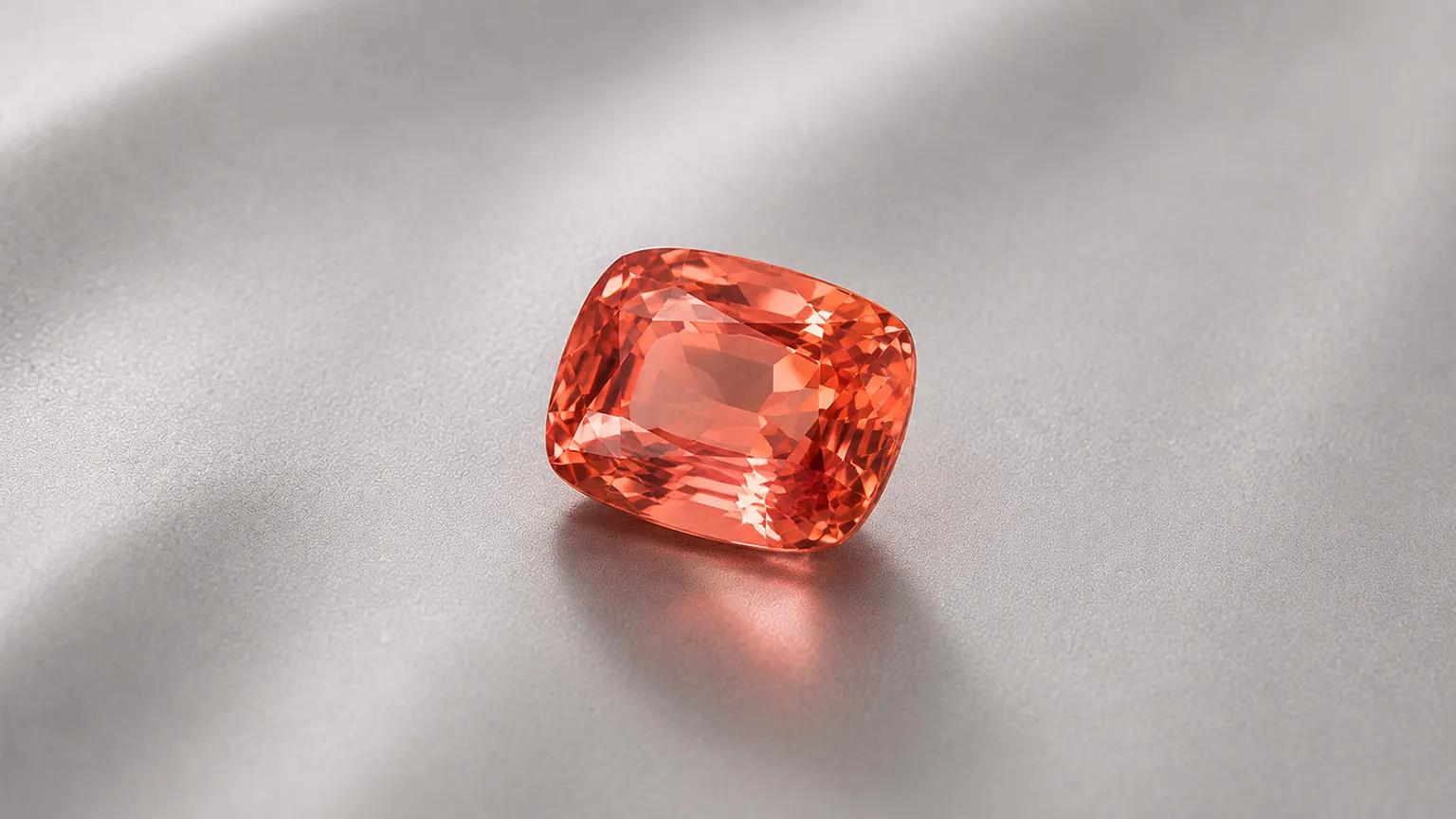
Orange Sapphire
Orange sapphires range from yellowish orange to reddish orange. Their colour intensity can also vary considerably.
Orange sapphire should not automatically be confused with padparadscha sapphire. Padparadscha is a specific sapphire colour designation associated with a combination of pink and orange.
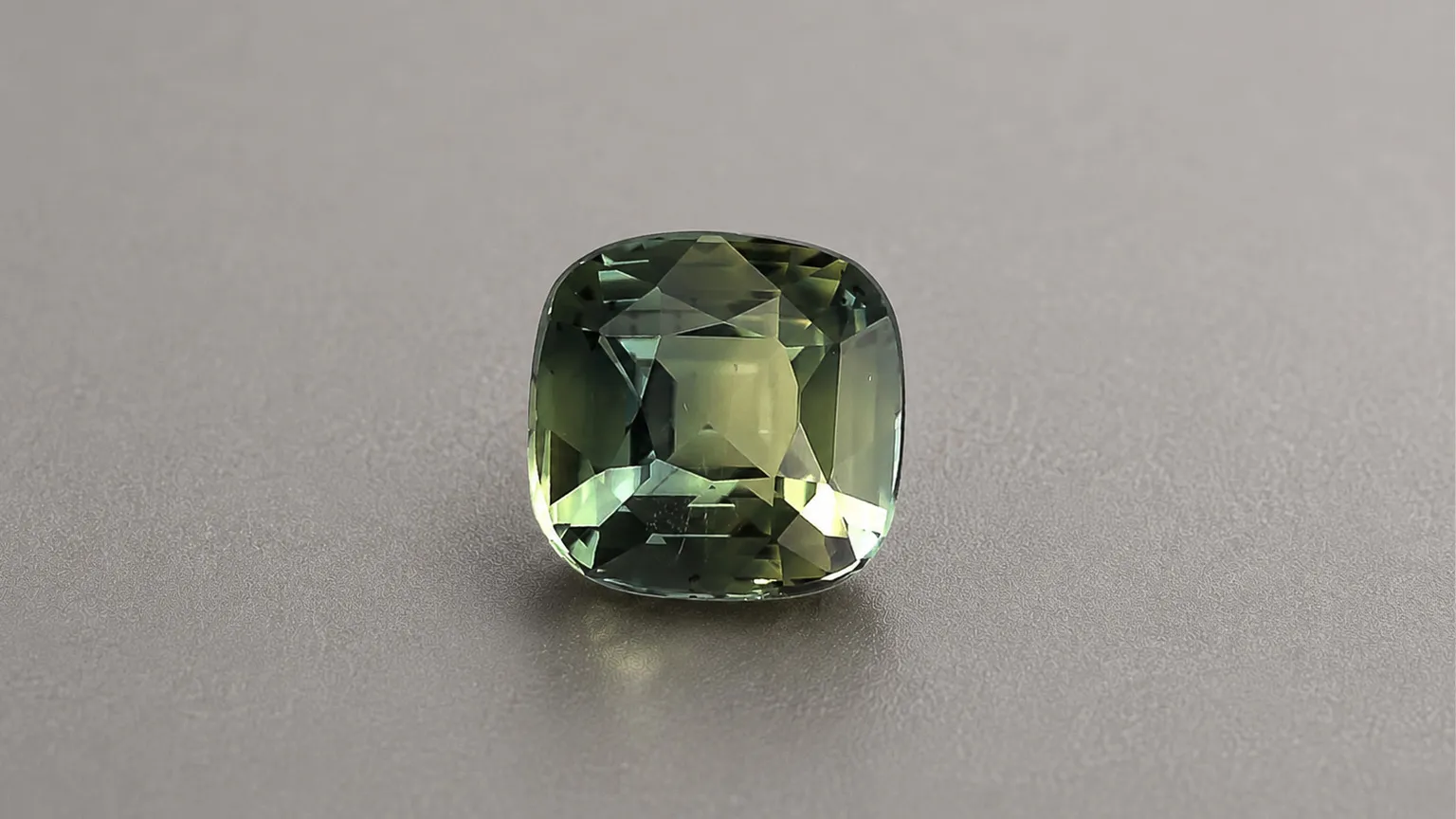
Green Sapphire
Green sapphire is a naturally occurring variety of sapphire.
Green sapphires can vary in hue, tone and saturation. Some may display combinations of blue and yellow colour components that create the green appearance seen by the observer.
For someone seeking a less conventional coloured gemstone, green sapphire offers another expression of the corundum family.
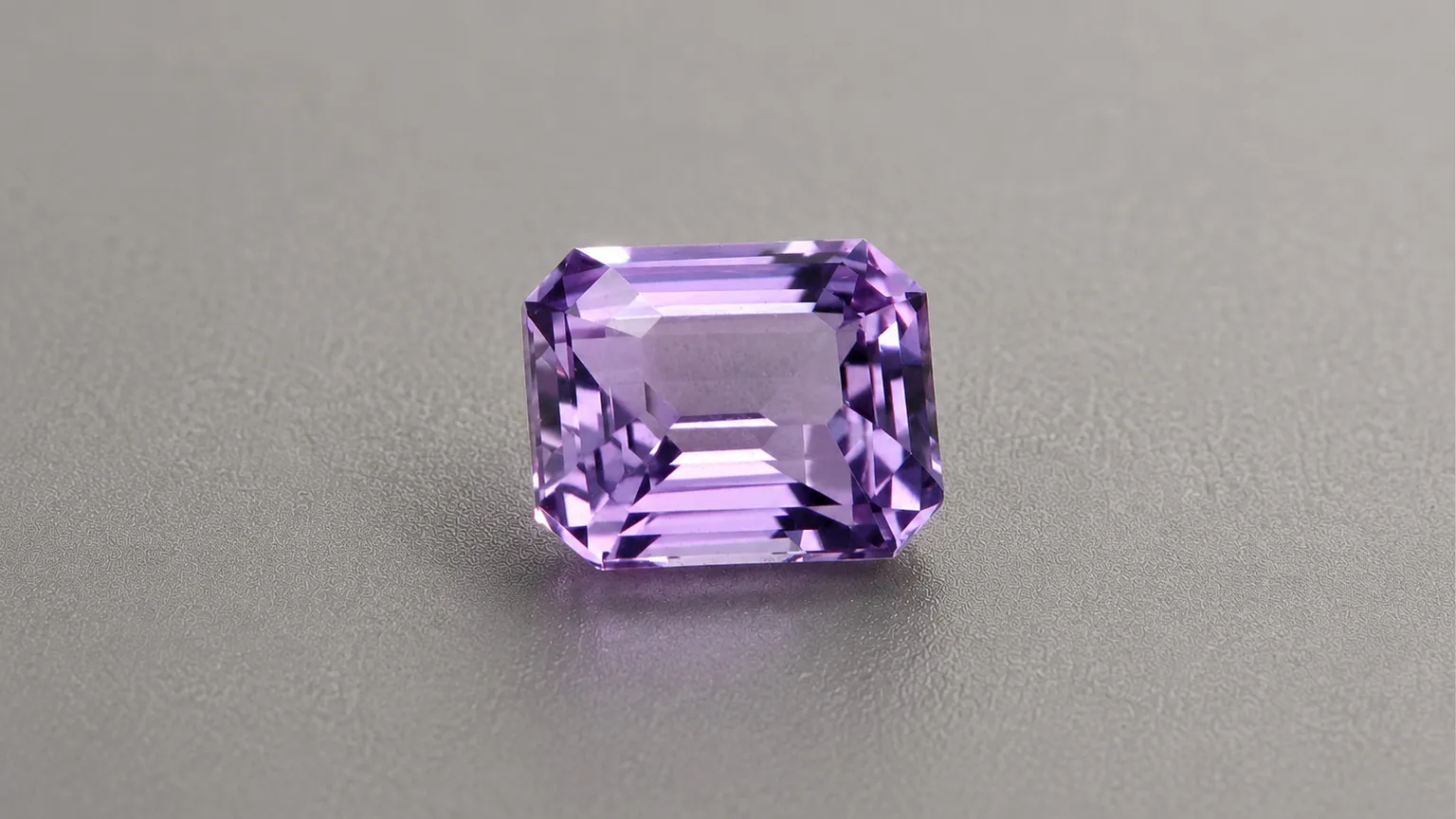
Purple and Violet Sapphire
Sapphires also occur in purple and violet hues.
Purple sapphires have purple as their dominant colour and can vary from reddish purple to violetish purple. As with other sapphire colours, differences in saturation and tone create considerable variation from one gemstone to another.
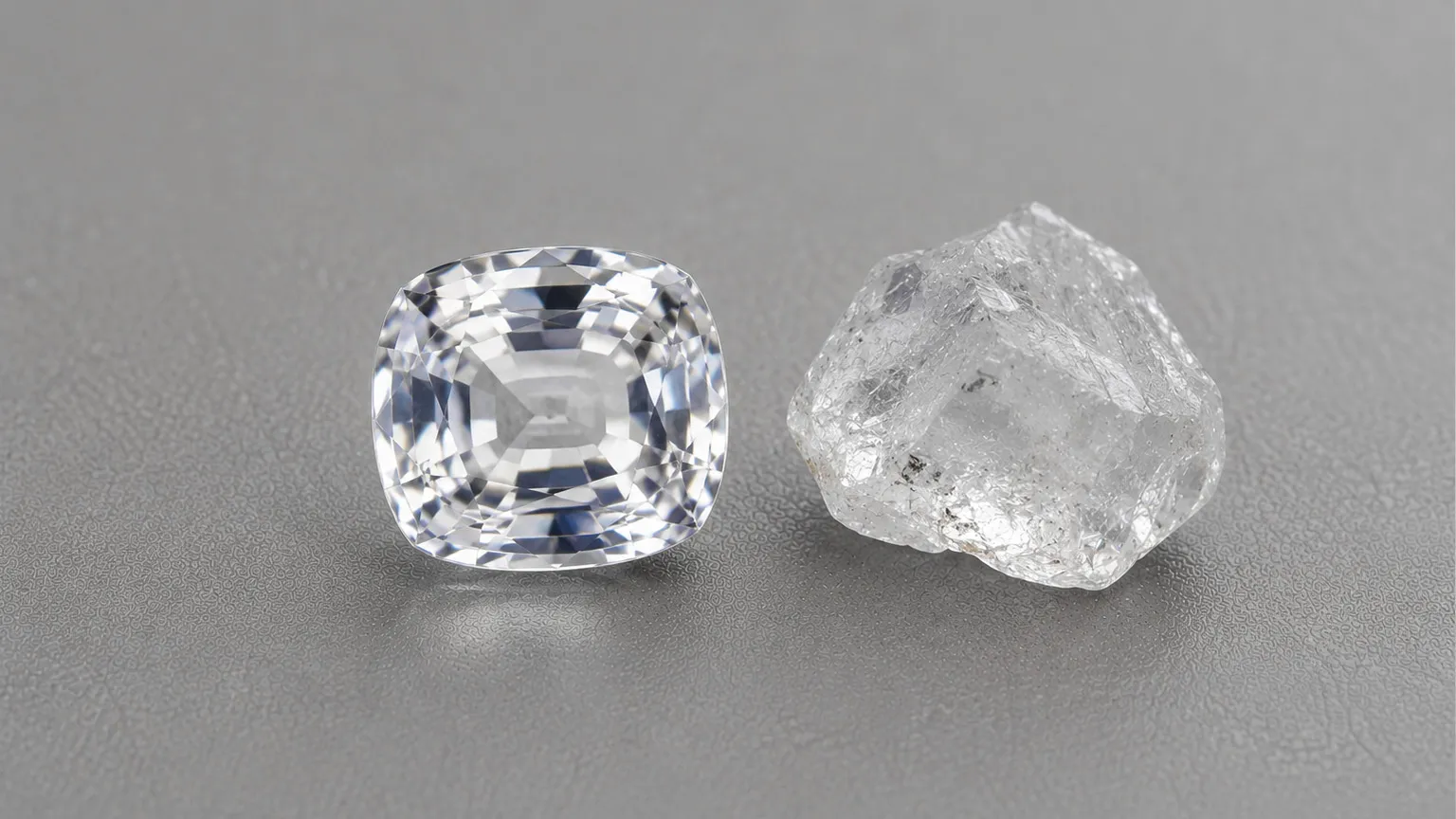
Colourless Sapphire
In its pure state, corundum is colourless, although naturally colourless corundum is relatively rare.
Colourless sapphire, sometimes called white sapphire in the jewellery trade, has historically been used as an accent stone and as an alternative colourless gemstone in jewellery.
What Is Padparadscha Sapphire?
Padparadscha is a rare sapphire variety characterized by a combination of pink and orange.
The term is associated with the colour of the lotus blossom. In gemological evaluation, padparadscha is not simply another name for any pink, peach or orange sapphire. The colour must fall within an accepted pinkish orange to orangey pink range.
Because colour distinctions can be subtle and treatments can affect sapphire colour, laboratory identification can be particularly important for significant padparadscha sapphires.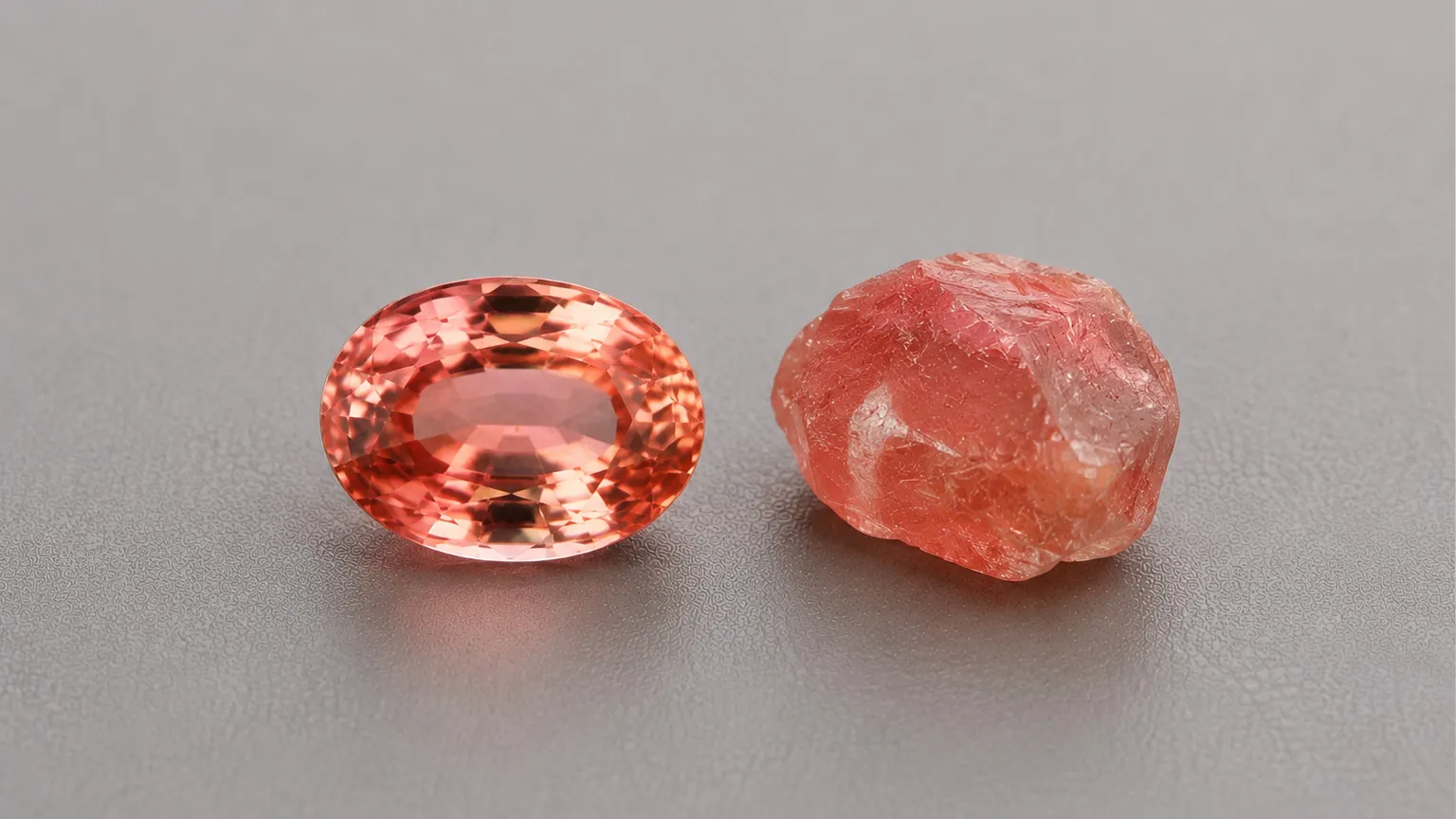
Are Rubies Actually Sapphires?
Ruby and sapphire are closely related, but a ruby is not classified as a sapphire.
Both are gem varieties of the mineral corundum.
The fundamental distinction is colour. Red gem quality corundum is classified as ruby, while other colours of gem quality corundum are classified as sapphire.
This means that a blue sapphire, pink sapphire and ruby share the same underlying mineral species even though they are identified differently in the gemstone trade.
Why Do Sapphires Have Different Colours?
The colour of a sapphire is related to trace elements and their interactions within the corundum crystal structure.
Pure corundum is colourless. When certain trace elements are incorporated during formation, they can produce different colours.
What Makes a Sapphire Blue?
The interaction of iron and titanium is responsible for the characteristic colour of blue sapphire.
What Makes a Sapphire Pink?
Chromium is associated with pink colour in sapphire. Chromium is also responsible for red in ruby, with the resulting classification depending on the gemstone’s colour.
These differences in chemistry help explain how members of the same mineral family can appear dramatically different.
Are Sapphires Durable?
Yes. Sapphire has a hardness of 9 on the Mohs scale.
The Mohs scale measures a mineral’s resistance to scratching. Diamond, at 10, is harder on the scale.
Sapphire also has excellent toughness and no cleavage, characteristics that make it suitable for many types of fine jewellery, including rings that may be worn regularly.
Durability does not mean that sapphire jewellery is impossible to damage. Settings, precious metals and the gemstone itself should still be treated with appropriate care.
Browse La Mine d’Or rings to explore fine jewellery featuring diamonds and gemstones.
Is Sapphire the September Birthstone?
Yes. Sapphire is the traditional birthstone for September.
Although blue sapphire is most strongly associated with September, sapphire's broader colour range means a September birthstone does not have to be blue.
A pink, yellow, green, purple or other sapphire can provide a different interpretation of September birthstone jewellery while remaining within the same gemstone family.
Discover more gemstones associated with each month in the La Mine d’Or Birthstone Jewellery Guide.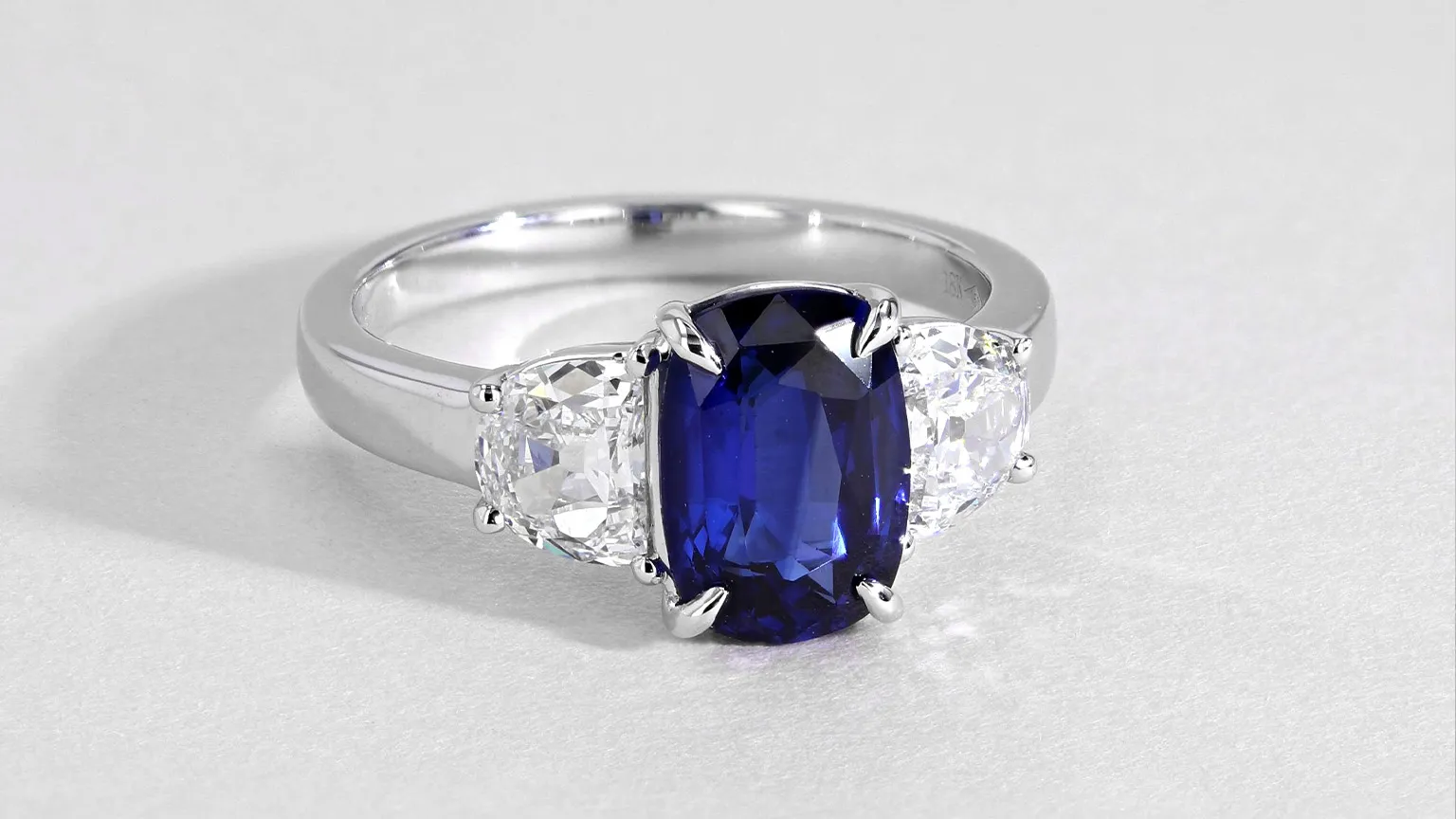
Is Sapphire Used for Anniversary Jewellery?
Yes. Sapphire is traditionally associated with both the 5th and 45th wedding anniversaries.
This connection makes sapphire jewellery an option for commemorating significant years of marriage, whether through a traditional blue sapphire or another sapphire colour.
Can Sapphires Be Used in Engagement Rings?
Yes. Sapphire’s hardness and toughness make it suitable for engagement rings and other jewellery intended for frequent wear.
A sapphire engagement ring can feature traditional blue or one of sapphire’s many other colours. The gemstone can also be incorporated into a custom design alongside diamonds or other gemstones.
La Mine d’Or offers bespoke jewellery design for clients seeking a piece created around their individual preferences and selected gemstones.
Are All Sapphires Untreated?
No. Sapphires may be treated to alter or improve their colour or apparent clarity.
Heat treatment is common in the sapphire trade. Other treatments can include lattice diffusion, fracture filling and dyeing. Treatments differ in their permanence and potential care requirements.
When purchasing a significant sapphire, information about known treatments is an important part of understanding the gemstone. Independent gemological laboratory reports can also provide information about the identification and detectable treatments of individual stones.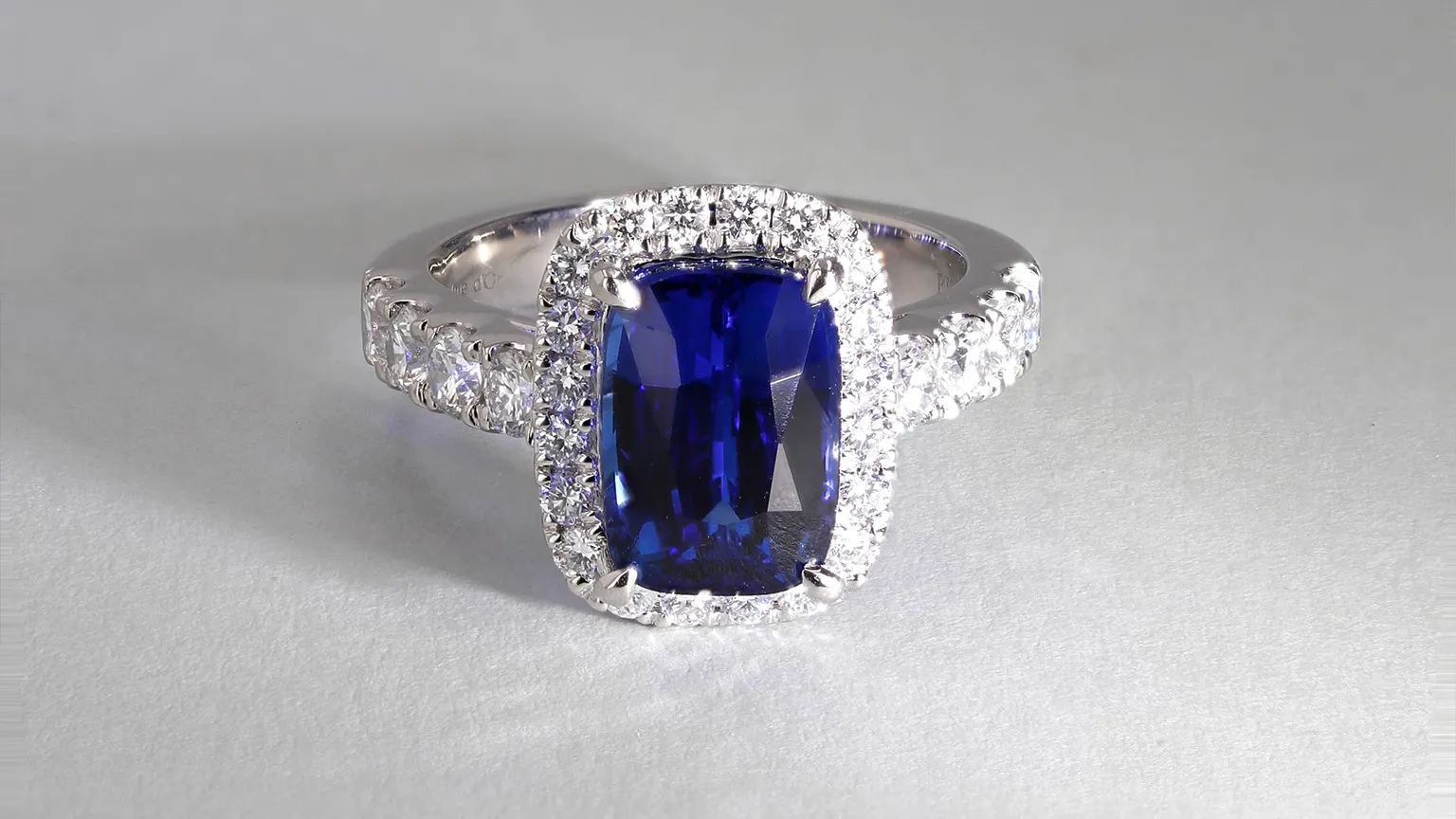
How Should You Choose a Sapphire?
There is no single sapphire colour that is right for everyone. When comparing sapphires, several characteristics deserve consideration.
Colour
Colour has a major influence on sapphire appearance and value. Hue, tone and saturation all contribute to how a sapphire looks.
Cut
The quality and proportions of the cut influence how a sapphire interacts with light and how its colour is displayed.
Clarity
Natural sapphires may contain internal characteristics known as inclusions. Their type, position and visibility vary from stone to stone.
Carat Weight
Carat is a measurement of gemstone weight, not physical dimensions. Two sapphires of equal carat weight can therefore appear different in size depending on their proportions and cut.
Treatment
Ask whether the sapphire has received a treatment and, if so, which treatment was used. This information can be relevant to the gemstone’s value, care and purchase decision.
Discover the Many Colours of Sapphire at La Mine d’Or
Blue sapphire may be the most familiar member of the sapphire family, but this extraordinary gemstone offers a much broader spectrum.
From pink and yellow to green, purple, orange and colourless varieties, sapphire provides remarkable possibilities for creating jewellery that reflects individual style while retaining the durability and beauty for which corundum is valued.
At La Mine d’Or, natural gemstones are part of jewellery created and selected to mark meaningful moments. Whether sapphire represents a September birthday, an anniversary, an engagement or simply a colour that captures your attention, choosing the right gemstone can make a piece distinctly personal.
Explore gemstones at La Mine d’Or or discover our custom jewellery design experience to create a piece that celebrates your story.